Mobile Top-Up Casino UK: How Phone Deposits Work
 Available in GB
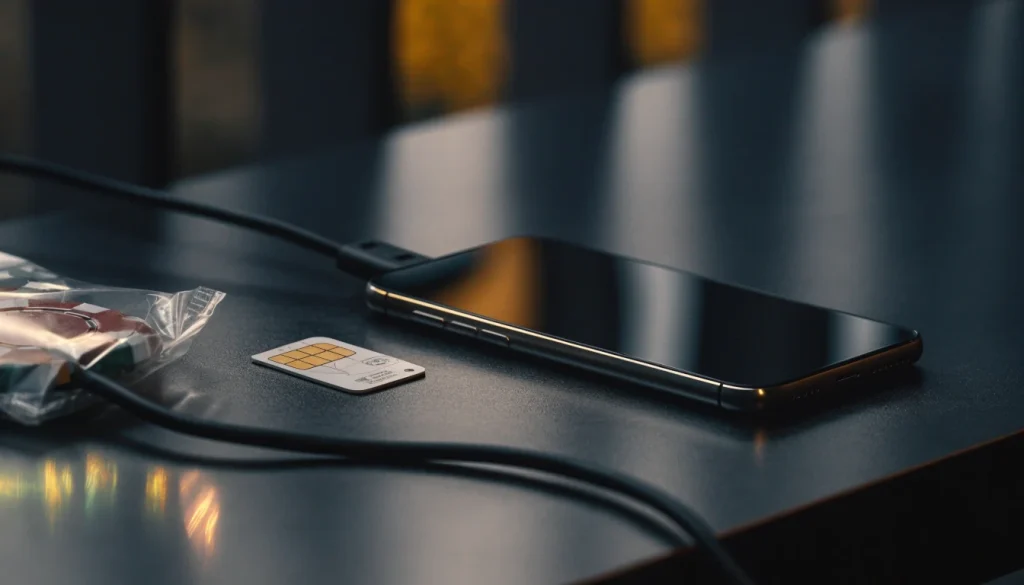
A mobile deposit is charged to a phone account rather than a bank card, with payment limits and confirmation steps to consider.
Table of Contents
- Paying by Mobile: What the Option Actually Means
- Phone Top-Ups Alongside Other Payment Routes
- When a Deposit Lands on the Phone Bill
- The SMS Confirmation Is Part of the Payment
- Phone-Billed Deposits and Slot Play
- Mobile Slots Still Depend on the Cashier
- Deposits and Withdrawals Follow Different Routes
- Billing Caps, Network Fees and Failed Top-Ups
- What Makes a Mobile Top-Up Option Suitable
- Phone Credit Is Not a Credit Card
- Memebet Casino Deposit Limits and Supported Payment Gateways
Paying by Mobile: What the Option Actually Means
A mobile top-up casino deposit is not a card payment made on a phone. It is a payment charged through the mobile account: the casino receives a deposit, while the cost is assigned to phone credit or a phone bill. Payforit is the relevant pay-by-mobile service in the UK. The arrangement connects gambling to a system originally built for small charges on telecommunications accounts, rather than to the familiar machinery of bank cards.
That distinction matters. The word “top-up” can suggest adding value to a mobile phone, but in this context the money is added to a casino balance. The phone account is the payment channel, not the destination. A player may be using a handset to reach the casino, but the defining feature is how the deposit is charged, not the device’s screen or connection.
Payforit deposits are subject to a £30 ceiling per transaction, set by the UK phone-paid services regulator. That cap gives the method a narrow financial scale: it is designed for a limited payment, not for moving substantial sums. The ceiling is not a recommended deposit size, nor does it mean every cashier will offer the full amount. The transaction limit belongs to the payment service; the amount available at a particular casino is a separate matter.
There is an old social bargain embedded in this kind of payment. Phone accounts have long allowed purchases to be attached to communications services, making a charge feel closer to an ordinary household bill than to a deliberate transfer from a bank account. That can make the method legible and immediate. It can also blur the boundary between spending on a pastime and paying for a service people already rely on. Convenience, in this case, is not a neutral word.
Casinos that accept Siru Mobile in the UK
For a casino, a mobile top-up offers a way to accept a deposit without asking the customer to enter card details in that transaction. For the player, the consequence is that the charge is associated with the phone account. Those are different sides of the same arrangement, and neither changes the basic nature of the money: a gambling deposit remains money put at risk, regardless of whether it arrived through a bank card or a mobile service.
UK rules also place a decision before the first deposit. New remote gambling customers must be prompted to consider setting a financial limit before depositing for the first time. Limit-setting facilities must remain accessible at account level afterwards. This is more than a notice tucked into registration: it recognises that spending controls are part of the conditions under which remote gambling is offered. A phone-based payment does not sit outside that framework.
The order matters. A deposit can be technically small and still be part of a pattern of spending; the transaction ceiling does not measure what a person can afford. A financial limit is a separate control, set in relation to the account rather than dictated by the mobile payment method. The two protections answer different questions. One restricts the size of a single pay-by-mobile transaction; the other gives a customer a way to define a boundary for gambling activity.
“Mobile top-up casino” therefore describes a payment route, not a special kind of casino or a promise that every mobile-friendly site will accept it. The phrase may bring to mind a quick deposit from a handset, but the important detail is the link between the casino transaction and the phone account. Availability belongs to the individual cashier, while the UK ceiling and the requirement to consider a financial limit form part of the wider setting.
The practical meaning is modest but precise: Payforit lets a deposit be charged through a mobile account, within the £30 transaction cap. It does not turn a phone into a bank account, make gambling spend consequence-free, or remove the need for account-level controls. A small payment still counts as a payment.
Phone Top-Ups Alongside Other Payment Routes
When choosing a mobile top-up casino, check the payment options available to you as well as how quickly withdrawals are processed. The details below provide the stated payout speed for each operator.
1. Chanze
Payout speed: 1-3 business days Chanze lists a payout speed of 1–3 business days. That is the available detail for assessing its withdrawals.
2. Zombillion
Payout speed: 1-3 business days Zombillion lists a payout speed of 1–3 business days. This gives a stated timeframe to consider when reviewing its withdrawals.
3. WinBeast
Payout speed: 1-3 business days WinBeast lists a payout speed of 1–3 business days. No other operator details are provided here.
4. Revery Play
Payout speed: 1-3 business days Revery Play lists a payout speed of 1–3 business days. This is the available information about its withdrawals.
5. Amunbet
Payout speed: 1-3 business days Amunbet lists a payout speed of 1–3 business days. That stated timeframe is the key detail available here.
6. EvoSpin
Payout speed: 1-3 business days EvoSpin lists a payout speed of 1–3 business days. No further operator details are provided.
7. Dieselwin
Payout speed: 1-3 business days Dieselwin lists a payout speed of 1–3 business days. This is the only stated detail about the operator.
8. Britsino
Payout speed: 1-3 business days Britsino lists a payout speed of 1–3 business days. The available information here is limited to this withdrawal timeframe.
9. Jetsetspins
Payout speed: 1-3 business days Jetsetspins lists a payout speed of 1–3 business days. No other details are available in the information provided.
10. NightWin
Payout speed: 1-3 business days NightWin lists a payout speed of 1–3 business days. That is the only stated detail available for this verdict.
An online casino top-up can mean several different things, and the phrase “pay by mobile” does not make them interchangeable. Payforit is a phone-billed route: the deposit is charged to a mobile account rather than entered as a card payment. Other options shown in a cashier may draw on a bank card, an e-wallet, a prepaid payment product or, in some cases, cryptocurrency. The names describe different payment paths, not a single standard service.
That distinction matters because a payment menu is not a universal catalogue. A method appearing in a specialist review is evidence about what that review found, not a promise that the same option will appear at every casino or remain available indefinitely. The cashier attached to the account is the practical record of which routes can be used there.
The broad shape of the choices
Independent specialist reviews list Visa and Mastercard, Skrill and Neteller, PaysafeCard, and several major cryptocurrencies among payment methods accepted by casinos they cover. These are broad categories with different requirements: a card payment uses card details, an e-wallet payment involves an e-wallet account, and PaysafeCard is a prepaid product. Cryptocurrency is another distinct route, rather than a variation on phone billing.
Card Payments
Uses card details and relies on the card account.
E-wallets
Requires an e-wallet account for transactions.
Prepaid Products
Relies on the available value of a product like PaysafeCard.
Cryptocurrency
A distinct funding route separate from traditional billing.
The comparison is less about which label sounds most familiar than about where the money comes from and what needs to be in place before a deposit can be made. A card relies on the card account; an e-wallet depends on the wallet; a prepaid product relies on its available value. Payforit instead places the transaction within the mobile account. The difference is plain enough, though payment menus have a talent for making unlike things look like neighbouring buttons.
A specialist review describes debit-card deposits at UK casinos as free and more widely accepted than Payforit. That is a source’s account of the market, not a guarantee for every cashier. Fees and availability are matters to confirm in the live payment screen, where the terms for the particular account and method are displayed.
Payforit among the alternatives
Payforit is one possible route for an online casino top-up by mobile, but it sits beside alternatives rather than replacing them. A specialist review identifies Boku, e-wallets and Paysafecard as alternatives to Payforit. Each remains a separate method, and the presence of one does not establish that the others are offered at the same casino.
UK Casino Sites That Accept EcoPayz: What to Check
For someone considering a phone top-up at a casino, the central trade-off is therefore not simply “mobile versus everything else”. It is a choice between payment routes with different sources of funds and different conditions. Phone billing may suit a person who wants the deposit connected to a mobile account; a card, wallet or prepaid option may be more relevant when funds are held through those services. None of those descriptions establishes which option is cheaper, quicker or available on a particular account.
The limits of a label matter, too. “Mobile” can describe the device used to visit a casino, while “pay by mobile” describes a payment route. A casino site working well on a phone does not, by itself, show that Payforit is in its cashier. Nor does a general list of accepted methods establish that every listed option is open to every customer.
A menu, not a promise
Payment information gathered by independent reviews can help indicate the kinds of methods found in the market, but it is not a substitute for the live cashier. A review may cover a selection of casinos, and its payment information can become outdated as operators change their arrangements. The cashier shows the options attached to the account at the time of the deposit.
Payment information from reviews can become outdated as operators change their arrangements; the live cashier is the only current record of available options.
This makes the wider payment context useful without turning it into a ranking. Payforit is distinct because the charge is linked to a phone account; cards, e-wallets, prepaid products and cryptocurrencies follow other routes. The right comparison depends on the method actually offered and the terms shown for it, not on how often its name appears elsewhere.
A mobile phone top-up casino search can blur all these distinctions into one expression. In practice, an online slots deposit made from a phone may still use a card or wallet, while a phone-billed deposit specifically uses a supported pay-by-mobile option. The device and the funding method are separate questions. A small distinction, with real consequences.
When a Deposit Lands on the Phone Bill
A Payforit deposit does not arrive from a bank card. Its destination on the phone account depends on how that account is paid for. With a monthly contract, the amount is added to a future phone bill; with pay-as-you-go, it is taken from prepaid credit already on the phone. The casino receives a deposit, but the cost appears in a different place in each case.
That distinction can be easy to miss when both routes begin with the same device and the same mobile number. “Pay by phone” sounds like one simple arrangement. In practice, the phone account has its own kind of bookkeeping: one route leaves a charge to be settled later, while the other draws down a balance that has already been bought.
TRON (TRX) Casino Comparison in the UK
Monthly contract: a charge to come
On a contract phone, a Payforit casino top-up is added to a future bill. It is not a separate card payment simply because the deposit is made on a mobile. The amount joins the charges associated with the phone account, so its eventual appearance is tied to the provider’s billing cycle rather than to a payment leaving a bank account at the moment of the casino deposit.
This can make the transaction less visible in the immediate household budget. The casino balance may change while the phone bill remains for another day. That separation is a feature of the payment route, not a disappearance of the cost. When the bill arrives, the deposit belongs among the charges to be accounted for alongside the other use of the phone service.
The arrangement also changes how a person may think about available money. A contract customer can see a successful casino deposit without seeing an equal reduction in a prepaid balance. The expense is still real, but the point at which it becomes visible is deferred. A phone bill is an unusually efficient place to hide a small decision from the moment it was made. Not from the bill itself.
“Future bill” is the useful phrase here. It avoids implying that the money is taken from a bank card at once, or that the mobile provider is giving the casino a cash payment on the player’s behalf in the ordinary sense. Payforit uses the contract phone account as the place where the charge is recorded for later settlement.
Pay as you Go: a balance already held
A pay-as-you-go deposit works differently. The charge comes from prepaid phone credit: the balance is reduced rather than carried forward onto a monthly contract bill. The credit was put on the phone account in advance, and a Payforit deposit uses part of what is there.
Pay-as-you-go vs Contract
Pay-as-you-go deposits draw from prepaid credit already held on the account, whereas contract deposits are added to a future phone bill to be settled later.
That makes the cost more immediate in the account’s own terms. After the transaction, less prepaid credit remains for other phone use. There is no later monthly phone bill for that deposit to join, because the payment draws on a balance already held. The distinction is not between “real” and “not real” money; it is between spending stored credit and adding a charge to a bill that has yet to be settled.
The balance on a pay-as-you-go account can therefore make the effect easier to see at the time. A deposit reduces the amount available for whatever else the credit might cover. Contract billing presents the same basic cost through a later statement instead. Neither structure changes what the casino deposit is for; they change where the charge sits in the mobile account.
The phone account is the ledger
For anyone comparing a casino top-up by phone with other ways of funding an account, the first practical distinction is not a difference in the casino balance. It is the phone account’s payment arrangement. Contract means a later bill; pay as you Go means prepaid credit. The term “phone bill” may be used broadly in conversation, but it does not describe the pay-as-you-go route literally: there, the deposit comes from credit already loaded.
This is why the same Payforit option can feel different from one phone to another. A contract customer may encounter the charge when reviewing a bill, while a pay-as-you-go customer sees the remaining credit fall. Both are charges to the phone account, but only one becomes a line on a future bill. The phone is not merely a screen for the casino cashier; in this arrangement, its account type determines the ledger in which the expense appears.
Casinos that accept Entropay in the UK: what to check
The distinction is modest in wording and significant in household accounting. One route postpones the accounting moment; the other spends a balance that has already been set aside. The deposit may be entered at the casino, but its trail runs through the mobile account.
The SMS Confirmation Is Part of the Payment
A Payforit deposit is not completed merely by choosing the option in a casino cashier. The process asks for a mobile number, then sends a confirmation code by SMS. That code must be submitted before the deposit is made. The phone is therefore part of the payment sequence, not just a place to receive a notification after the event.
The order matters. Payforit is selected first, the number is entered, and the text message supplies a code to confirm the transaction. Leaving the sequence at the number-entry stage does not complete it; the code has to be returned through the payment flow. For anyone looking to top up a casino account by mobile, that distinction separates an authorised payment from an attempted one.
The confirmation step also gives the process a small, practical pause. A phone number alone does not stand in for consent to the particular transaction: the SMS code is the action required to carry it through. That is the defining feature of a mobile casino top-up by SMS, rather than a card payment where the card details are entered directly into the cashier. The method has its own choreography. Brief, but deliberate.
Payforit Sequence
Step 1: Selection
Select Payforit as the deposit method in the casino cashier.
Step 2: Identification
Enter the mobile phone number associated with the account.
Step 3: Confirmation
Receive a confirmation code via SMS.
Step 4: Completion
Submit the received code through the payment flow to authorize the deposit.
The cashier’s wording and layout may differ, but the core Payforit sequence remains recognisable: select Payforit, enter the mobile number, receive the code, and submit it. If the option is not shown in the live cashier, the route is not available there at that moment. A general description of how Payforit works cannot substitute for the payment choices attached to a particular account.
It is also worth keeping the code in its proper place. It confirms the payment flow; it is not a password for unrelated account access, nor a general instruction to proceed with any later transaction. The message belongs to the payment being made. The sequence should be treated as one connected action, from choosing Payforit through to submitting the code, rather than as a text arriving independently on the phone.
Boku has an SMS confirmation too, but that does not make it the same process as Payforit. Both involve a text message before funds move, while the details of each method belong to their own payment flow. The shared use of SMS can make them sound interchangeable; the names in the cashier are what distinguish them.
This is a modest piece of payment design, and an unusually visible one. A card transaction can make its authorisation feel buried inside a form; here, the text message puts a separate confirmation in the foreground. The player’s phone becomes both the channel receiving the code and the device used to complete the step. No mystery, just a gate.
For a top-up by mobile, the useful point is not that a text arrives, but that the deposit depends on submitting its confirmation code. Without that final step, the Payforit sequence has not been completed. The SMS is part of the payment itself.
Casinos That Accept Upaycard in the UK: What to Check
Phone-Billed Deposits and Slot Play
A phone-billed deposit does not pay for a particular slot spin. It places money in the casino account, where the balance can then be used for eligible play. That distinction is easy to lose in phrases such as “slots by phone bill”: the phone is the route for funding the account, not a separate way to buy a game or stake.
The arrangement makes practical sense for mobile play. Payforit is generally intended for customers using a mobile device, and the deposit is made through the casino’s payment process. Once the funds appear in the account, slot play is governed by the casino’s ordinary account and game rules. The payment method does not determine which titles are available, nor does it promise that any particular game can be played.
The more consequential wrinkle is promotional eligibility. A deposit can reach the account without counting towards a welcome offer. Specialist reviews have reported that many UK casinos do not include Payforit-funded deposits in welcome bonuses or other promotions. That is a report about operators’ terms, not a rule that applies identically everywhere; the current offer conditions decide the matter.
This is where the neatness of a payment label meets the small print. A cashier may show Payforit as a deposit route, while the bonus terms define eligible payment methods separately. The two screens answer different questions: one concerns whether the account can be funded in that way, the other whether that funding qualifies for an incentive. Treating acceptance at checkout as automatic bonus eligibility can therefore produce a disappointing mismatch.
Attention Many UK casinos do not include Payforit-funded deposits in welcome bonuses or other promotions.
Promotions may also have conditions beyond the choice of deposit method. Their wording determines what counts, which games qualify and what restrictions attach to any offer. A phone-bill deposit should not be assumed to activate a bonus merely because the casino displays one, or because the deposit itself succeeds. The relevant terms need to be read as terms, rather than as decoration beside a bright button.
That separation matters for people looking specifically for an online casino top-up by phone bill to support slot play. The sensible sequence is conceptual, not complicated: first establish that Payforit is shown in the live cashier for the account; then treat the resulting money as an account balance; finally check the promotion’s own payment-method rules before attaching expectations to it. The deposit and the offer are separate transactions in the casino’s paperwork, even when they appear in the same session.
A mobile slot session may begin with a phone-billed top-up, but the method is not a shortcut around the casino’s terms. It is simply one way to fund play, with its own eligibility boundary. The distinction is plain enough. The small print is less so.
Mobile Slots Still Depend on the Cashier
A casino can be designed for a phone without accepting payment through a phone account. The two arrangements belong to different parts of the service: mobile play concerns how the games and account screens work on a handset, while Payforit is a payment option that must be supported separately. A polished mobile layout is no proof that the cashier will offer it.
That distinction matters for slot play because the route to a game begins with money entering the casino account. A player may be able to open the site, sign in and use its slot lobby on a mobile device, yet find no Payforit option among the deposit methods. The game interface cannot supply a payment method that the operator has not made available.
Payforit is generally reserved for mobile players. That describes the intended setting for the method, not a promise that it appears at every mobile casino or for every account. A phone-sized screen and a phone-billed deposit are not the same thing. One is a design choice; the other depends on the cashier.
The reverse is also worth keeping in view: a desktop site may describe mobile play while the payment choices remain narrower than the presentation suggests. The relevant evidence is the live cashier for the account, not the fact that the casino has a mobile site or that its slots load on a handset. Payment availability can be specific to the operator and the account, so assumptions made from the interface alone are fragile.
This can make “mobile slots” sound like a single product when it is really a chain of separate decisions: access to the casino, access to its games and access to a particular deposit route. Payforit sits at the last point. Its presence has to be established before it can fund slot play; it does not follow automatically from the ability to play on a phone.
A specialist review has described debit-card deposits at UK casinos as free and more widely accepted than Payforit. That comparison is not a guarantee for a particular cashier. The practical distinction remains simple: mobile access says where play can happen; only the cashier says whether Payforit can be used to fund it.
A small but important separation.
Mobile Access
Mobile site compatibility does not guarantee the availability of Payforit in the cashier.
Deposits and Withdrawals Follow Different Routes
A phone top-up can put money into a casino account, but it does not create a route back to the handset. Payforit is for deposits; it cannot be used to withdraw casino funds. That distinction matters for anyone treating a mobile top-up as a complete payment loop. It is an entrance, not an exit.
A specialist review identifies debit card, bank transfer, PayPal and e-wallets such as Skrill or Neteller among the withdrawal routes offered by UK-licensed casinos. That is a description of possible routes, not a promise that every account will see every option. The live cashier is the authority for the account in question: methods, limits, fees and processing information can change, and availability depends on the selected payment method.
The gap between paying in and collecting winnings is not peculiar to phone billing. A deposit method may not also be available for withdrawals, so the two lists should be checked separately. If Payforit supplied the deposit, the account needs another eligible payout route. The operator’s terms and cashier should make clear what is accepted and what checks remain outstanding before a withdrawal can be completed.
This is where a small payment convenience meets the less theatrical machinery of account verification. A payout route must correspond to the account holder’s details and currency; identity checks may also need to be completed. For a UK-licensed casino, withdrawal options can include a bank transfer, debit card, PayPal or an e-wallet, but the particular route is account-specific. Public banking information cannot settle the operator’s current limits, charges or timing.
The practical question behind a search for slots funded by mobile credit is therefore twofold: whether the cashier accepts Payforit for a deposit, and how that account can later receive funds. Those are separate decisions. A phone-billed deposit does not make phone billing a withdrawal facility, nor does it establish which alternative payout methods will be available. The cashier supplies the less glamorous answer. It is the consequential one.
Billing Caps, Network Fees and Failed Top-Ups
A Boku deposit has a reported standard ceiling of £30 for a single transaction, according to a specialist payment-method review. That is a per-payment cap, not a promise that every casino’s cashier will offer Boku or accept a deposit at that amount. The amount available can be lower under the terms shown for the account. There is no legitimate advantage in trying to divide a payment to get around the ceiling.
The other constraint is the phone balance. For a Boku payment to go through, the available credit must cover the deposit and any network processing fee together. A balance equal to the deposit alone may therefore be insufficient. On a monthly contract, a charge may instead be added to a future bill, but the network’s handling of fees and the account’s available spending allowance still matter.
A network may apply a processing fee, and its amount depends on the network and tariff. It is not a universal surcharge with one fixed price. The fee information displayed during payment, alongside the mobile account’s own terms, is more useful than an old estimate: tariffs and charges can differ, even where the casino deposit amount is the same.
Insufficient Funds
If the phone balance cannot cover both the deposit amount and the network processing fee, the transaction will fail.
A failed top-up is consequently not always a casino-account problem. Insufficient credit to cover both parts of the charge is one clear reason a transaction may not complete. The displayed deposit value can appear affordable while the total phone charge is not. Small distinction. Real consequence.
For anyone considering mobile billing at a casino or for slot play, the practical point is that the phone account imposes its own boundary before play begins. A casino may show a payment route, but that does not remove Boku’s transaction ceiling or a network’s fee. The final amount and fee should be visible before confirmation; if the available balance cannot meet the combined cost, the payment cannot succeed.
What Makes a Mobile Top-Up Option Suitable
A mobile top-up option is suitable only when its terms fit the account and the amount intended for deposit. The payment symbol alone says little: the live cashier is where the working conditions appear, and those conditions can differ by operator and payment method.
A specialist review advises checking the cashier before depositing for the minimum deposit, maximum transaction value, any fee and the processing time shown for that method. These are not decorative details. A minimum can make a small top-up unavailable; a maximum can make a larger one impossible in a single transaction; a fee changes the cost; and the stated processing time affects when the balance may be available. The cashier’s current terms matter more than an old description elsewhere.
The same care applies to financial-limit controls. For a new remote customer, the operator must raise the question of setting a financial limit before the first deposit. Limit facilities must also remain available at account level afterwards. This is not merely a payment setting: it is a point at which the machinery of gambling is required to pause, however briefly, before money begins moving.
A practical assessment therefore has two parts. First, establish whether the payment route is shown for the specific account and note its current minimum, maximum, fee and processing information. Then review the account’s financial-limit options before making the deposit. If any term is unclear or absent, the option cannot be judged from its name alone.
Pay by Mobile Casinos UK: How Phone Deposits Work
Payment conditions are changeable, and the selected method matters. A figure remembered from another account, or read in an earlier description, may not describe the cashier now in front of the player. The live display is the useful record for that transaction.
“Best” is not a universal label. For one account, the relevant measure may be whether the minimum fits; for another, it may be the fee or processing time. Suitability is the sum of those current terms and the limits attached to the account—not a promise made by the phrase “mobile top-up.”
Phone Credit Is Not a Credit Card
A casino top-up made from phone credit may look like borrowing when the charge is added to a monthly bill. The payment route is still different from a credit-card transaction: the operator charges the mobile account, or uses prepaid phone credit, rather than accepting a card issued on credit. The distinction lies in how the payment is made, not in whether the money feels immediately available.
That difference matters under UK gambling rules. The UK Gambling Commission prevents remote gambling licensees from accepting credit-card payments for gambling. The restriction also covers a payment routed through a money service business; changing the intermediary does not change the source of the funds. An e-wallet is not a lawful detour for credit-card money into a gambling account.
Phone billing should not be confused with permission to use any form of credit. A charge appearing on a later phone bill is not, by itself, a credit-card payment. But the cashier’s label is not the whole story: the underlying payment route must still be what it claims to be. A card-funded wallet does not become phone credit because it passes through another service.
The UK rule reflects a boundary between payment instruments, not a promise that every phone-billing option will be accepted by every casino. The cashier determines which methods are offered; the law determines what licensed operators may not take. Different routes, different rules.
Which UK casinos still accept Payforit in 2026?
Payforit is listed at Kwiff, NetBet, JackpotJoy and Virgin Games. Check the casino’s cashier to confirm it is currently available for your account.
What is the maximum I can deposit with Boku at a UK casino?
Boku deposits are capped at £30 per transaction. Your phone credit must cover the deposit and any network fee.
What is the current minimum deposit?
Payforit deposits typically start at £3–5. Check the casino’s live cashier for the minimum that applies to your chosen payment method.
Which payment types are listed?
Listed options include Visa, Mastercard, Skrill, Neteller, PaysafeCard and major cryptocurrencies. Payforit and Boku are mobile-payment alternatives; the options available vary by casino.
Do all casinos accept Payforit?
No. Payforit is not available at every casino, so check the payment options in the casino’s cashier.
Memebet Casino Deposit Limits and Supported Payment Gateways

Supported Cryptocurrencies and Meme Token Deposits at Memebet
Memebet is crypto-first. Memebet supports Bitcoin, Ethereum, USDT and Dogecoin, and the wider Memebet ecosystem...

Memebet Casino Fast Crypto Withdrawals and UK Cashout Limits
Memebet supports a crypto-first payment model, including Bitcoin, Ethereum, USDT and Dogecoin. What this page...

Anonymous Crypto Casinos in the UK: What to Know
A low-document sign-up does not establish who runs a casino, which rules apply, or whether...

BNB Casino Comparison UK: What the Evidence Shows
BNB and BCH are different assets, so information about BCH deposits, withdrawals and transactions cannot...

Bitcoin Cash Casino Comparison in the UK
A practical look at licensing, offshore trade-offs, bonus terms, BCH transactions and how British rules...

Cardano ADA Casino Comparison UK: Licensing Rules
UK licensing rules prohibit cryptocurrency deposits at licensed casinos, while the available evidence does not...

UK Casino Sites That Accept Credit Cards: The Rules
The UK restriction applies to the source of gambling funds, not simply to the payment...

Casino Sites That Accept Debit Cards in the UK
Learn how card deposits work, what to check at the cashier, and why depositing by...

UK Casino Sites That Accept EcoPayz: What to Check
EcoPayz is now Payz, but a casino’s cashier is the place to confirm whether the...

Casino sites that accept Jeton in the UK: what to check
Jeton acceptance is operator-specific, and deposit access alone does not establish the withdrawal route or...

Skrill Casino Sites in the UK: Deposits and Withdrawals
Skrill availability varies by casino account, while deposits and withdrawals depend on the cashier’s rules...

Casinos that accept Apple Pay in the UK: what counts
Apple Pay uses a card in a digital wallet, while Boku charges a transaction to...

Casinos That Accept AstroPay in the UK: Payment Guide
AstroPay funds an account rather than a slot, while casino payment acceptance and bonus eligibility...

Casinos That Accept Bank Cheques in the UK
Boku is a mobile-billing deposit option, not cheque clearing; its limits, bonus exclusions and withdrawal...

Casinos That Accept Bank Transfer in the UK
Boku uses mobile billing or PAYG credit rather than a bank account, which affects how...

Casinos That Accept Bitcoin in the UK: Fees & Payouts
Explore how Bitcoin deposits, bonus conditions, UK gambling context and withdrawal routes can affect the...

Casinos that accept Boku in the UK: what to know
Boku remains a deposit option at some UK-licensed casinos, but availability varies by operator and...

Casinos That Accept CashToCode in the UK
CashToCode availability, bonus eligibility and payout methods can differ, so each casino’s cashier and promotion...

Casinos that accept Citadel in the UK: what to check
Payment pages can describe funding methods, but the current cashier is where Citadel availability for...

Casinos That Accept Click2Pay in the UK
A casino’s game catalogue and cashier are separate, and deposit access does not by itself...

ClickandBuy at UK Casinos: Checking Payment Claims
A cashier listing, promotion terms and withdrawal rules answer different questions about whether ClickandBuy can...

Casinos That Accept Debit Cards in the UK
UK casino debit card payments connect an account to funds held through a bank, with...

Casinos That Accept Diners Club in the UK
UK casino card options can vary by account, and deposit availability does not confirm that...

Dogecoin Casinos in the UK: What to Check
A practical way to assess whether Dogecoin covers the full account transaction, rather than just...

Casinos That Accept E-Checks in the UK: How to Verify
Payment labels can differ from the methods UK casinos actually describe, so identifying the route...

Casinos That Accept E-Cheques in the UK
A general payment list is not confirmation of e-cheque support; the cashier shows which deposit...
Casinos that accept Entropay in the UK: what to check
Entropay availability depends on a casino’s current cashier options, while deposits and withdrawals can involve...

Casinos That Accept Ethereum in the UK: What to Check
General cryptocurrency labels do not establish whether Ethereum is available at a casino or what...

Casinos That Accept E-Wallets in the UK: How They Work
See how wallet availability, matching deposit and payout routes, processing waits and fees affect casino...

Casinos That Accept Giropay in the UK
A method’s presence in general casino information does not confirm it is available to a...

Casinos That Accept Google Pay in the UK
Google Pay availability depends on the casino cashier, linked card and transaction, while deposit and...

Casinos That Accept iDEAL in the UK: What to Check
The guide separates game availability from payment support and explains what must be confirmed before...

Casinos That Accept InstaDebit in the UK
A payment method may be accepted for deposits while remaining excluded from a particular casino...

Casinos That Accept Interac in the UK: What to Check
Interac acceptance, deposit and withdrawal routes, and slot-game access are separate details that need confirmation....

Casinos That Accept Klarna in the UK: What to Check
Klarna availability can vary by casino and transaction, and a deposit option does not necessarily...

Casinos That Accept Litecoin in the UK: What to Check
A cryptocurrency label alone does not confirm Litecoin support; availability can depend on the specific...

Casinos That Accept Maestro in the UK
A casino’s card label may not cover every card product, and the cashier’s listed options...

Casinos That Accept Mastercard in the UK
A card can fund a casino balance, but game rules, cashier availability and withdrawal routes...

Casinos That Accept MiFinity in the UK: Payment Checks
Payment availability and promotion terms are separate, so a cashier listing alone cannot confirm whether...

Casinos that accept Monzo UK: separating fact from Boku
Boku deposits use a mobile account and do not establish whether a casino accepts a...

Casinos That Accept MuchBetter in the UK
MuchBetter availability, bonus eligibility and withdrawal terms are separate checks, even when they appear alongside...

Casinos That Accept Neosurf in the UK: Payment Guide
Neosurf may be listed without providing a usable deposit route, and cashier terms do not...

Casinos That Accept Neteller in the UK: What to Check
A Neteller payment option does not guarantee bonus eligibility, and withdrawal approval comes before funds...

Casinos That Accept Pay N Play in the UK
Pay N Play is often a loose label for phone deposits, while account checks, withdrawals...

Casinos That Accept PayPal in the UK: Payment Guide
PayPal and Pay by Phone are different payment routes, and a listed deposit method does...

Casinos that accept POLi in the UK: what to check
A cashier listing does not guarantee bonus eligibility or mean the same route is available...

Casinos that accept Revolut UK: deposits and terms
Card acceptance, promotion eligibility and withdrawals can follow different rules, so a successful deposit does...

Casinos That Accept Ripple XRP in the UK
A general crypto listing may not mean XRP is available in the live cashier or...

Casinos that accept Siru Mobile in the UK
Siru availability varies by operator, and a phone deposit is distinct from licensing, withdrawals and...

Casinos That Accept Solana in the UK: Payment Guide
A Solana payment option is distinct from a crypto-linked card and does not, by itself,...

Casinos That Accept Tether in the UK: What to Check
A practical look at payment availability, token networks, conversion costs and the checks that shape...

Ukash Casinos in the UK: Deposit Alternatives and Checks
Compare possible alternatives to Ukash, including their bonus conditions and whether the same payment method...

Casinos That Accept Upaycard in the UK: What to Check
A casino may accept a payment method without supporting Upaycard or allowing deposits made with...

Casinos That Accept USDC in the UK: What to Check
USDC availability, slot eligibility and promotion terms are separate questions, while deposit and withdrawal routes...

Casinos That Accept Visa in the UK: How It Works
Visa debit can fund an account at UK casino cashiers, but availability, limits, withdrawals and...

Casinos That Accept WebMoney in the UK: What's Known
The guide distinguishes WebMoney from Boku and explains what cashier listings, bonus terms and withdrawal...

Casinos That Accept Bank Transfers in the UK
The guide explains how bank-account payment routes work in casino cashiers and what can affect...

Casinos That Accept Wirecard in the UK: Payment Guide
Payment availability, promotion eligibility and withdrawal handling are separate questions, so the cashier and account...

Casinos That Accept Zimpler in the UK: What to Check
Zimpler can indicate a way to deposit, but it does not confirm game access, casino...

Instant Bank Transfer Casinos in the UK: How Payments Work
Bank transfers depend on each operator’s cashier, and deposit speed does not determine how quickly...

iPad Casinos in the UK: Payments, Apps and Games
A practical look at using casino sites on an iPad, including cashier terms, app availability,...

Online Casinos That Accept SMS Deposits: Boku Explained
A practical guide to Boku deposits, SMS authorisation, phone-bill charges, site limits and why mobile...

Pay by Mobile Casinos UK: How Phone Deposits Work
A practical look at cashier support, SMS confirmation, phone-credit limits and why withdrawals need a...

Pay by phone bill at UK casinos: how deposits work
Payforit links a casino deposit to a mobile number and SMS approval, making it a...

Pay by Phone Casinos UK: Deposits and Payments
Payforit links a casino deposit to a mobile account, with approval by text and funding...

Payforit Mobile Casinos in the UK: How It Works
Payforit is a mobile-focused casino payment route, with account terms and the withdrawal process to...

Casinos That Accept Direct Banking: Payment Guide
Direct banking can mean different payment routes, and the method selected may affect how deposits,...

TRON (TRX) Casino Comparison in the UK
The key distinction is whether an operator is UK-licensed, since licensed gambling operators cannot accept...

UK crypto casinos with no KYC: rules and risks
The guide separates UK-licensed gambling from offshore offers and explains the limits of BCH payments,...